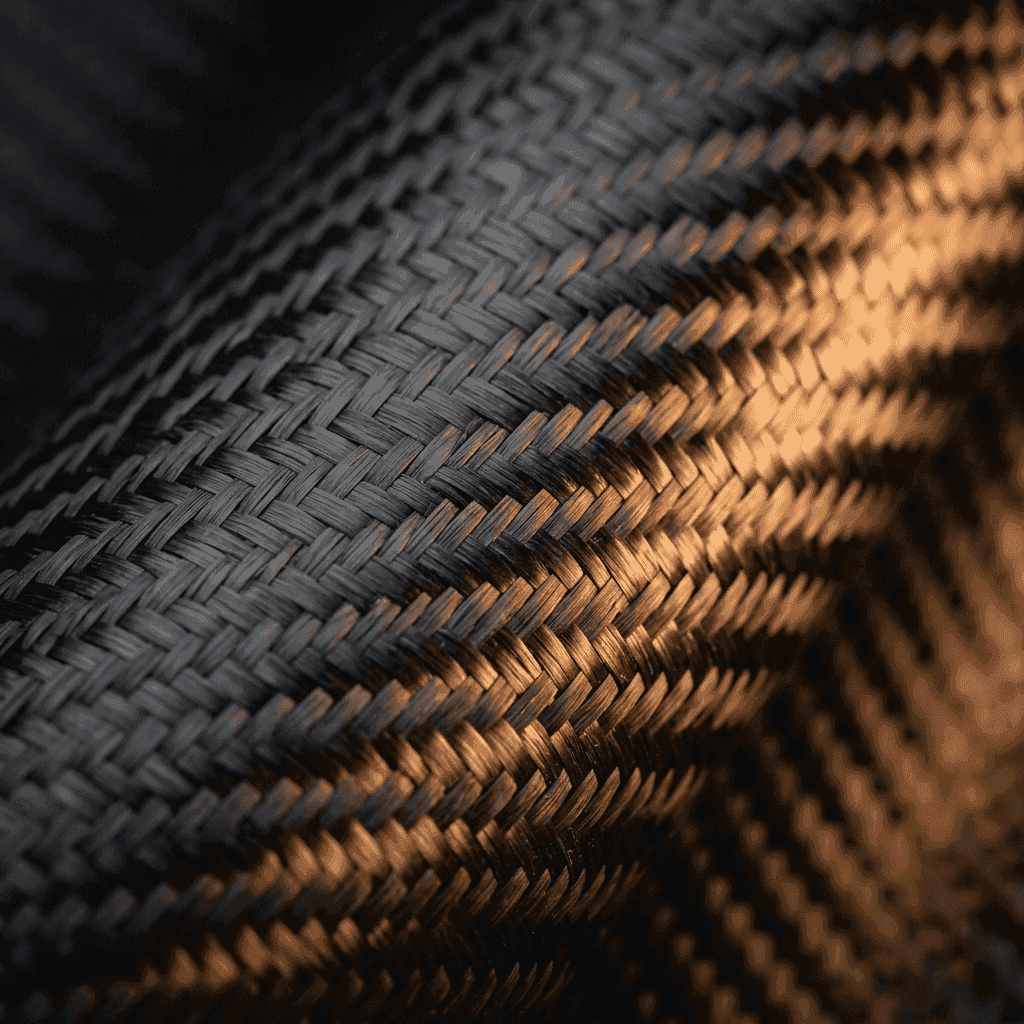
Carbon or Aluminium?
When you buy a telescopic washing brush, you first choose a material – usually without realising it. Almost every pole on the market is aluminium. HARTFELS uses T300 carbon fibre. The difference isn't cosmetic – it's measurable.
Conductivity – the safety question
Aluminium conducts electricity well. Carbon conducts far less. Wet-cleaning photovoltaic modules means working near live parts – carbon's lower conductivity is a clear safety advantage. Important: carbon is not 'non-conductive'. Always keep a safe distance from live components.
Weight – the fatigue question
Carbon is around 40% lighter than aluminium. Overhead and fully extended, every gram decides how long you can work calmly and precisely. Less weight means less fatigue – and a clean result down to the last panel.
Stiffness – the precision question
At equal weight, carbon is considerably stiffer. The pole barely flexes at full length – the brush head stays where you guide it instead of 'dancing'. That means full control all the way to the tip.
Longevity
Carbon does not corrode and stays dimensionally stable for years. Aluminium oxidises over time and can deform permanently after drops. A carbon tool is built to last a decade.
100% T300 carbon. 20 m hose. Stainless-steel squeegee. 5-year guarantee.
Note: carbon fibre is far less electrically conductive than aluminium, but not fully insulating. Always keep a safe distance from live parts when working near them. Never make direct contact with power lines.